Discover the Rich Spectrum of Diverse Art Forms
- nicoleriemenschnei5

- Aug 12, 2025
- 4 min read
Art is a universal language that transcends borders and cultures. It reflects human creativity, emotions, and history in countless ways. Exploring the world of varied artistic styles opens doors to new perspectives and deeper appreciation for human expression. From traditional paintings to modern digital creations, art offers something for everyone. This post will guide you through the fascinating landscape of art, highlighting key styles and forms that shape our visual and cultural experiences.
Exploring Varied Artistic Styles: A Journey Through Creativity
Artistic styles are as diverse as the artists who create them. Each style carries its own unique characteristics, techniques, and cultural significance. Understanding these styles helps us connect with the artwork on a more meaningful level.
Realism focuses on depicting subjects as they appear in everyday life, with attention to detail and accuracy.
Impressionism captures the fleeting effects of light and color, often with loose brushwork and vibrant palettes.
Abstract art breaks away from realistic representation, using shapes, colors, and forms to evoke emotions or ideas.
Surrealism explores the unconscious mind, presenting dreamlike scenes and unexpected juxtapositions.
Pop art draws inspiration from popular culture, using bold colors and imagery from advertising and media.
Each style offers a different way to experience and interpret the world. For example, a realist painting might transport you to a specific moment in time, while an abstract piece invites you to explore your own feelings and imagination.
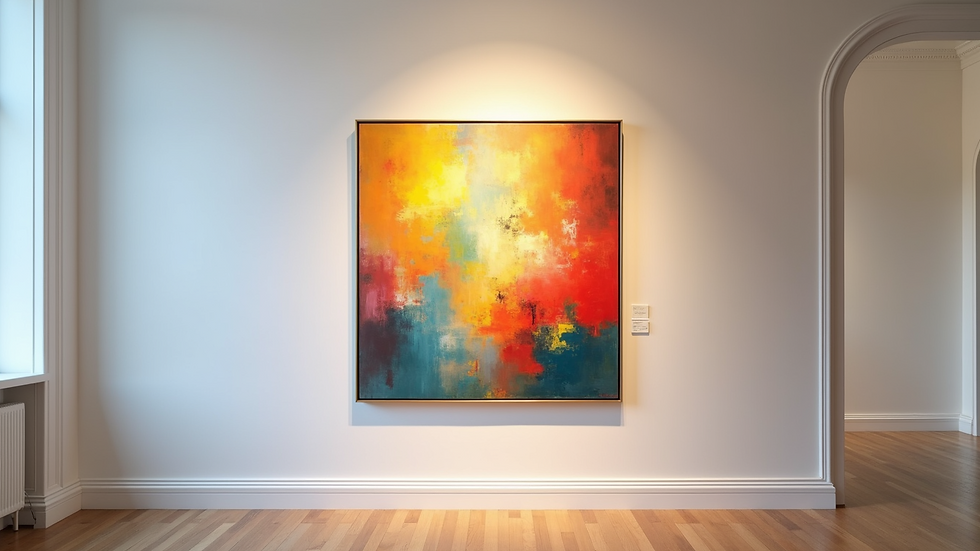
To dive deeper into these varied artistic styles, consider visiting local galleries or museums. Observing art in person allows you to appreciate texture, scale, and detail that photos cannot capture. Additionally, experimenting with different art techniques yourself can enhance your understanding and enjoyment.
The Importance of Varied Artistic Styles in Cultural Expression
Artistic styles are not just about aesthetics; they are powerful tools for cultural expression and communication. Different cultures have developed unique art forms that reflect their values, beliefs, and histories.
For instance, traditional Japanese ink painting emphasizes simplicity and harmony with nature. African tribal art often incorporates symbolic patterns and materials that tell stories of ancestry and spirituality. Indigenous Australian dot painting uses intricate patterns to map out Dreamtime stories and landscapes.
By exploring varied artistic styles from around the world, we gain insight into diverse ways of seeing and interpreting life. This cultural exchange enriches our own creativity and fosters empathy.
Tip: When exploring art from different cultures, research the historical and social context to fully appreciate its meaning.
Tip: Support artists from diverse backgrounds by purchasing their work or attending cultural art events.

Engaging with diverse art forms encourages us to celebrate differences and find common ground through shared human experiences.
What are the 4 Main Art Forms?
Understanding the four main art forms provides a solid foundation for exploring the broader world of art. These categories encompass the primary ways humans express creativity visually and spatially.
Painting - The application of pigment to a surface such as canvas, wood, or walls. This form includes styles like oil painting, watercolor, and fresco.
Sculpture - The creation of three-dimensional art objects by carving, modeling, or assembling materials like stone, metal, or clay.
Architecture - The design and construction of buildings and structures, combining functionality with aesthetic principles.
Drawing - The use of lines and marks on paper or other surfaces to create images, often serving as the basis for other art forms.
Each of these forms has evolved over centuries, influenced by technological advances and cultural shifts. For example, modern architecture incorporates sustainable materials and innovative designs that reflect contemporary values.

Exploring these main art forms helps you appreciate the skills and creativity involved in shaping our visual environment.
How to Appreciate and Engage with Diverse Art Forms
Appreciating art goes beyond simply looking at it. Engaging actively with art enhances your experience and deepens your understanding.
Visit museums and galleries regularly. Take time to observe details, colors, and techniques.
Read about the artists and their backgrounds. Knowing the story behind a piece adds layers of meaning.
Try creating your own art. Experimenting with different mediums and styles can reveal new perspectives.
Join art workshops or classes. Learning from professionals can improve your skills and appreciation.
Attend art festivals and cultural events. These gatherings showcase a wide range of artistic expressions and foster community.
By immersing yourself in the world of art, you develop a richer connection to the creative spirit that drives humanity.
For those interested in exploring more about diverse art forms, there are many online resources and communities that offer inspiration and education.
Embracing the Endless Possibilities of Artistic Expression
The world of art is vast and ever-changing. New technologies and cultural influences continuously expand the boundaries of what art can be. Digital art, performance art, and mixed media are just a few examples of contemporary innovations.
Embracing varied artistic styles allows you to experience the full spectrum of human creativity. Whether you prefer classical paintings, modern installations, or interactive digital works, there is always something new to discover.
Explore different genres and mediums. Don’t hesitate to step outside your comfort zone.
Support emerging artists. Fresh voices bring new ideas and energy to the art world.
Share your art experiences with others. Discussions and collaborations enrich your perspective.
Art is a journey without end, inviting us to see the world through countless lenses and to express ourselves in infinite ways.

By continuously exploring and appreciating varied artistic styles, you contribute to a vibrant cultural landscape that inspires and connects us all.


Comments