Mastering Essential Art Techniques
- nicoleriemenschnei5

- Oct 29, 2025
- 4 min read
Art is a journey of expression, creativity, and skill. Whether you are a beginner or an experienced artist, mastering popular art methods can elevate your work and deepen your understanding of the craft. This guide explores essential techniques that form the foundation of many artistic styles. You will find practical advice, clear examples, and actionable tips to help you improve your skills and create compelling artwork.
Exploring Popular Art Methods for Beginners and Beyond
Popular art methods vary widely, but some core techniques are fundamental to most styles. These methods include drawing, painting, shading, and composition. Understanding these basics allows you to experiment confidently and develop your unique voice.
Drawing: Start with simple shapes and lines. Practice sketching everyday objects to improve hand-eye coordination.
Painting: Learn about color mixing, brush types, and layering. Acrylics, oils, and watercolors each have unique properties.
Shading: Master light and shadow to add depth. Use hatching, cross-hatching, and blending techniques.
Composition: Arrange elements thoughtfully. Use the rule of thirds, balance, and focal points to guide the viewer’s eye.
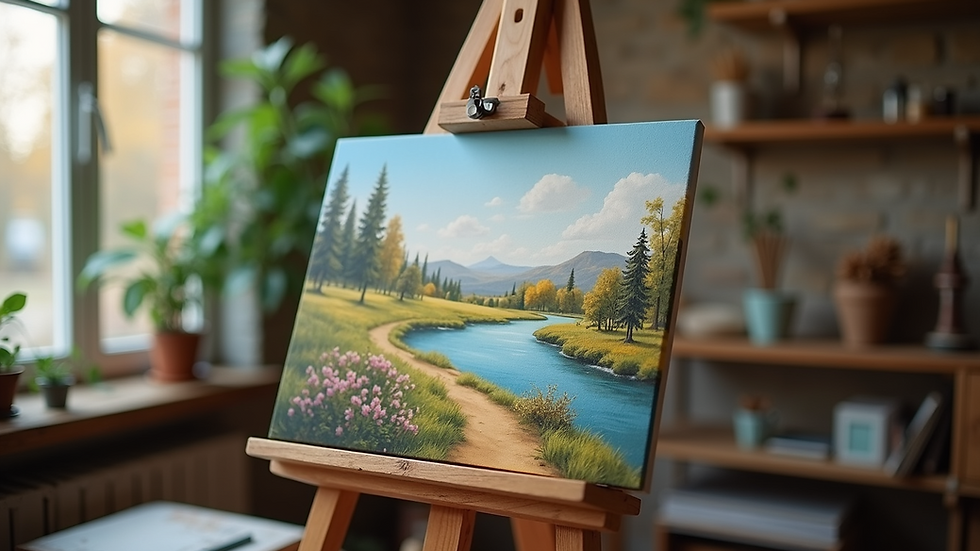
For example, when painting a landscape, begin with a light sketch to outline the scene. Then, apply broad washes of color to establish the background. Gradually add details and shadows to create dimension.
What is the 70/30 Rule in Art?
The 70/30 rule is a useful guideline for balancing elements in your artwork. It suggests that 70% of your composition should be dominated by one color, tone, or texture, while the remaining 30% provides contrast or accent.
This rule helps create harmony and focus. For instance, in a portrait, 70% of the canvas might be warm skin tones, while 30% includes cooler background colors or clothing details. This contrast draws attention to the subject without overwhelming the viewer.
Applying the 70/30 rule can also improve color harmony. If you use a bold color for 30% of the piece, it can energize the artwork without making it chaotic. Experiment with this balance in your sketches or paintings to see how it affects mood and emphasis.
Techniques to Enhance Texture and Depth in Your Art
Texture and depth bring life to flat surfaces. Artists use various methods to simulate or create real texture, making their work more engaging.
Impasto: Thick paint application that stands out from the canvas, adding physical texture.
Dry Brush: Using a dry brush with minimal paint to create scratchy, textured effects.
Sgraffito: Scratching through a layer of paint to reveal the layer beneath.
Layering: Building up multiple layers of paint or pencil to create depth.
For example, when painting a tree bark, use impasto to mimic the rough surface. Apply thick strokes with a palette knife, then add fine lines with a brush to suggest cracks and grooves.
In drawing, cross-hatching can simulate shadows and texture on fabric or skin. Varying the pressure and direction of your lines adds realism.

How to Use Color Theory to Improve Your Artwork
Color theory is essential for creating visually appealing art. It involves understanding how colors interact and how to use them effectively.
Primary Colors: Red, blue, and yellow - the base colors that cannot be made by mixing others.
Secondary Colors: Green, orange, and purple - created by mixing primary colors.
Complementary Colors: Colors opposite each other on the color wheel, like blue and orange, which create contrast.
Analogous Colors: Colors next to each other on the wheel, such as blue, blue-green, and green, which create harmony.
Use warm colors (reds, oranges, yellows) to evoke energy and cool colors (blues, greens, purples) for calmness. When painting a sunset, for example, blend warm hues for the sky and cool tones for shadows.
Try creating a color palette before starting your piece. This helps maintain consistency and mood throughout your work.
Tips for Practicing and Improving Your Art Skills Daily
Consistent practice is key to mastering any skill. Here are some tips to help you develop your art techniques effectively:
Set a Routine: Dedicate a specific time each day for art practice.
Use References: Study photos, real objects, or other artworks to understand form and color.
Experiment: Try different materials and styles to find what suits you best.
Keep a Sketchbook: Record ideas, quick sketches, and experiments.
Seek Feedback: Share your work with others and be open to constructive criticism.
Break Down Complex Subjects: Simplify objects into basic shapes before adding details.
For example, spend 10 minutes daily sketching simple objects like cups or plants. Over time, increase complexity and try different mediums like charcoal or watercolor.
By integrating these habits, you will notice steady improvement and greater confidence in your art.
Mastering popular art methods is a rewarding process that combines knowledge, practice, and creativity. Whether you focus on drawing, painting, or mixed media, understanding foundational techniques will enhance your artistic journey. For more insights and detailed tutorials on art techniques, explore resources that inspire and guide you toward your creative goals.


Comments